
Understand the fundamentals
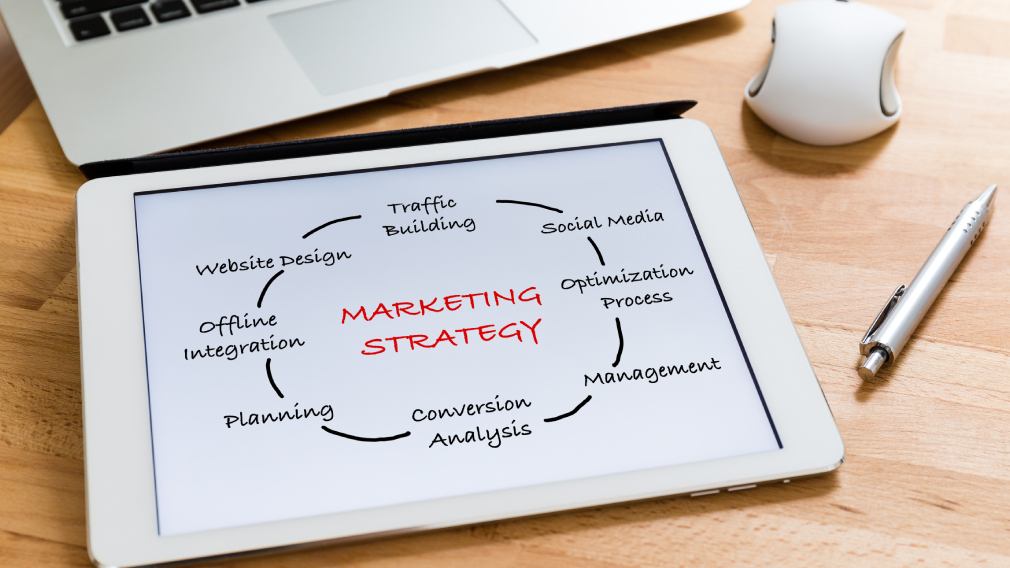
Creating a sustainable digital marketing strategy for service businesses starts with understanding the core principles of online promotion. You are looking to reach more clients, instill a sense of trust, and differentiate your offerings from competitors. Because many service companies are built on relationships and personalized solutions, your entire marketing approach can feel deeply personal. That is why it helps to take a thoughtful, empathetic stance as you guide prospective customers through every stage of the buyer’s journey.
Digital marketing relies on electronic channels, such as websites, search engines, social media platforms, and email, to connect with your target audience. These efforts are often more cost-effective than traditional advertising, and they grant you the flexibility to refine and test tactics quickly. According to industry data, digital advertising and marketing investments are projected to reach 786.2 billion dollars by 2026 (Slocum Studio), highlighting just how vital these channels are for your future growth.
When you embrace an encouraging tone in your communications, you help potential clients feel supported and understood. Many readers may be wrestling with doubts about which marketing channels to prioritize or how to measure results. Sometimes, a simple message of reassurance—letting them know you understand their unique challenges—can be a game-changer. By offering a reliable, empathetic voice throughout your content, you build loyalty and lay the foundation for lasting relationships.
Identify your target audience
No marketing initiative succeeds without a clear picture of who you want to serve. Conducting a thorough target audience analysis ensures that your messaging, content, and promotions resonate with the right individuals. This process also shapes the tone you use in your materials, encouraging a supportive and empowering approach that builds trust.
Market segmentation essentials
Market segmentation involves dividing your audience into distinct categories based on demographics and psychographics. Demographics include age, location, and education level, while psychographics delve into values, lifestyle, and personality. Understanding these details allows you to recognize subtle nuances in your customers’ motivations.
- Demographic factors:
- Age groups (e.g., millennials vs. Gen X)
- Geographic location (global, regional, or local)
- Income levels and educational backgrounds
- Psychographic factors:
- Personal values or philosophies
- Hobbies and lifestyle preferences
- Emotional triggers and pain points
By studying blog comments, social media threads, and customer service interactions, you gain deeper insights into the aspirations and needs of your audience. According to experts, analyzing your current customer base through tools like HubSpot Service Hub can help identify your best customers and uncover habits or behaviors that guide better marketing decisions (SmartBug Media).
Understanding their challenges
It is natural for service-based businesses to encounter clients who feel uncertain about the solutions they need. Some may worry about budget constraints, while others might be anxious about the ROI of their efforts. By empathizing with these concerns and framing your content around genuine reassurance, you instill hope and motivation. Show that you understand how your audience’s unique struggles impact their decision-making, and emphasize how your services can provide the support necessary for lasting improvement.
Set clear objectives
Once you have identified who you are targeting, define the purpose of your marketing. Whether you want to boost brand awareness, generate leads, or grow long-term client relationships, clear objectives bring direction and focus to your strategy. For service businesses, these aims often revolve around forging meaningful connections that lead to trust and repeat business.
Connecting goals to metrics
Choose measurable key performance indicators (KPIs) that align with your objectives. For instance, if your main goal is client acquisition, track metrics like cost-per-lead or conversion rate. If brand awareness is paramount, measure website traffic growth, social media reach, or email open rates. Once you set these metrics, review them regularly to ensure your marketing strategy remains on track.
You will often refine your objectives in response to new insights. For example, if you realize prospective clients hesitate because they are unsure of your expertise, boosting credibility could become a new goal. In that case, you might publish thought leadership content or incorporate more customer testimonials. You can learn more about balancing multiple objectives by exploring how to structure and monitor campaigns in how to measure roi from digital campaigns.
Budget alignment and resource planning
Once you clarify your goals, it is time to allocate resources effectively. A structured budget determines where you place your efforts, ensuring you do not over-invest in one channel at the expense of more promising opportunities. You can explore an in-depth approach to strategic budgeting in how to allocate a digital marketing budget.
Service businesses can benefit from starting with a relatively modest outlay in digital channels, testing ideas, and scaling up when strategies prove successful. Paid advertising on platforms like Google Ads or Facebook Ads may require a higher initial investment, but it typically yields quick insights. Meanwhile, organic efforts—such as search engine optimization (SEO) or content marketing—take longer to mature but often deliver cost-effective, sustainable results over time.
Build online presence
Your website is your digital storefront, and it is typically where all other marketing channels converge. It should communicate your services clearly, provide sufficient proof of your expertise, and reassure visitors that you understand their needs. In many ways, this is your chance to convey empathy and authority, offering visitors hope that they have finally found the solution they need.
Website essentials
The best websites for service businesses combine intuitive design with coherent messaging. Make sure visitors quickly understand what you offer by featuring concise headlines, compelling visuals, and straightforward navigation. Include calls to action on every relevant page so that users can easily request information, book consultations, or sign up for newsletters.
- Consider adding:
- Clear service descriptions with bullet points
- Trust signals, such as certifications, awards, or client testimonials
- Simple contact forms that encourage inquiries
- Mobile-responsive design
Ensuring your site is accessible on tablets and phones enhances user satisfaction and can improve your rankings in organic search results. Tracking site metrics (e.g., bounce rate, time on page, or conversion rate) gives a sense of user engagement and indicates where you might need to improve.
Local SEO fundamentals
If you run a locally focused service business, optimizing for local searches can encourage more foot traffic or local inquiries. You can claim your Google Business Profile, build consistent listings on directories, and feature your location and hours prominently on your website. According to some experts, 77% of consumers frequently read reviews when searching for local businesses, so managing your online reputation is crucial (GoSite).
Local SEO tactics include:
- Incorporating local keywords naturally into website copy
- Synchronizing your name, address, and phone (NAP) data across platforms
- Gathering online reviews on sites like Google and Yelp
- Using location-based hashtags or location tags on social media
If you want a deeper look into building a well-rounded plan, take a look at how to create a digital marketing plan.
Use paid campaigns
Paid advertising offers opportunities to reach audiences rapidly, particularly when combined with robust search optimization. With pay-per-click (PPC) strategies, you can position your brand above organic results in search engine results pages (SERPs). This approach can be especially valuable when entering a market with tough competition.
PPC best practices
PPC refers to a model where you pay for each click on your ads, typically through platforms like Google Ads or social media sites. To maximize return on investment, you must focus on high-intent keywords and craft compelling ad copy. Facebook Ads and Google Ads currently produce some of the strongest returns among paid channels, with PPC often delivering a 200% ROI (Slocum Studio).
To achieve these results, develop a well-structured campaign:
- Conduct keyword research to identify relevant, cost-effective terms.
- Craft clear and empathetic ad copy that addresses your audience’s pain points.
- Drive clicks to a tailored landing page with a distinct call to action.
- Monitor your ad spend and conversion data, refining your approach based on performance.
If you need help deciding which channels merit a bigger slice of your advertising investment, you might find guidance in how to prioritize marketing channels.
Tips for budget optimization
For many service businesses, budget optimization can feel daunting. You might worry that you are sinking money into channels that do not pay off sincerely. A practical way to address this concern is by combining data-driven insights with a flexible allocation of funds. Track metrics like cost-per-conversion and cost-per-click so you can pivot to more effective platforms. Take a look at how to audit your entire marketing system for additional strategies on identifying weak points and maximizing budget efficiency.
Engage through social media
Social media provides space to build awareness, trust, and thought leadership among your target customers. Rather than using a single platform mechanically, consider how you can encourage followers to connect with your brand on multiple levels. Keep in mind that service-centered businesses often benefit from authenticity. By communicating understanding and a willingness to listen, you show that you value your audience’s well-being.
If you are active on Pinterest, Instagram, or Facebook, local hashtags or location tags can help potential clients find you more easily. You may also boost posts and run targeted ad campaigns to expand your reach. Over 1.8 billion users sign in daily on Facebook, and platforms like Instagram also stand out for their visual engagement (Slocum Studio).
- Use social content to:
- Showcase client success stories in a respectful, empathetic manner
- Offer valuable tips or insights on common pain points
- Highlight your team’s expertise or community involvement
- Invite feedback that helps shape future services
Active listening on social media fosters a sense of community. You encourage followers to voice concerns and share experiences, reinforcing that you genuinely care about their progress.
Harness email marketing
Even amid evolving online trends, email remains a cornerstone of many digital marketing plans. Nearly 80% of marketers report an increase in email engagement, largely because this channel allows for personalized messaging that meets readers at various stages of their decision-making process (Slocum Studio).
By segmenting your email list, you can deliver content specific to a client’s needs. For instance, new leads may receive an introductory series explaining your core services, while established clients might get premium offers or loyalty incentives.
Building trust through consistent communication
Because emails are direct, they help you establish rapport by offering relevant, supportive messages. Highlight topics like:
- Helpful resources or tips that solve a pressing problem
- Case studies showing how you addressed challenges for businesses similar to theirs
- Limited-time promotions that emphasize your willingness to make a beneficial investment more affordable
Over time, a consistent email strategy can deepen relationships and strengthen client retention. Just be sure to track open rates, click-through rates, and conversion metrics so that you know which messaging resonates.
Track and optimize
In a digital environment, data is integral to boosting performance. By reviewing website analytics, ad conversion rates, social media engagement, and email open rates, you can quickly identify spikes or dips in activity. This level of transparency helps you adapt your strategy, ensuring you stay ahead of evolving preferences.
Measuring ROI beyond revenue
Return on investment (ROI) is not exclusively about how much revenue you bring in, though that figure is undeniably important. Additional indicators, such as impressions, engagements, and qualified leads, can offer a deeper perspective on your overall performance (business.com). A campaign might generate a surge of leads who do not convert right away, but eventually, become clients once they gain further trust.
To calculate your ROI, subtract your marketing costs from your revenue increase, then divide by the same marketing cost. A long-term viewpoint on marketing can be especially helpful for service businesses, since leads may take months to become paying clients. If you want to understand these metrics in more depth, visit how to measure roi from digital campaigns.
Refining through A/B testing
Experimentation with elements like ad copy, social media visuals, or email subject lines can highlight small adjustments that pay off significantly. A/B testing involves showing two variations of the same messaging to see which performs better. Implementing changes based on these findings can progressively refine your messaging and approach, helping you connect with your audience more effectively (SmartBug Media).
Alongside metrics from direct testing, pay attention to indirect signals, like time spent on your website or social shares. These results can highlight whether your content fosters genuine engagement and resonates with potential clients.
Develop a growth system
Rather than treating your marketing activities as isolated campaigns, think of them as interconnected pieces of a scalable growth system. Your ultimate goal is to move prospects through a funnel that provides awareness, fosters consideration, and supports the final decision to choose your services. At Antilles, for example, working as an outsourced marketing department has taught us the value of coordinating all tactics—from paid ads to website updates—in a way that aligns with your overall strategy.
Sequence your tactics carefully
A systematic approach often starts with:
- Building brand awareness using broad, budget-friendly channels like social media and SEO.
- Capturing interest with gated content or lead magnets to convert visitors into leads.
- Nurturing leads using email sequences, remarketing ads, or personalized offers.
- Encouraging conversions by emphasizing social proof, client success stories, or risk-free trials.
- Maintaining engagement with follow-up content and loyalty incentives to create repeat business.
By carefully sequencing your tactics, you encourage your target clients to progress through each stage without friction. You can explore how to unify these efforts in marketing funnel stages explained.
Ongoing optimization and support
Your growth system should provide a stable blueprint that you continuously refine. Regular marketing audits, combined with performance data, can guide you on whether to invest in advanced tactics like omnichannel campaigns and marketing automation. If you are seeking fresh ideas for a cohesive approach, you might explore an omnichannel marketing strategy for small businesses.
A strong system also reinforces hope and motivation for your target audience. When you regularly adjust your strategy to better meet their needs, you effectively communicate empathy: you value their perspectives and want to help them succeed. This mindset paves the way for enduring partnerships, based on mutual respect and ongoing progress.
Conclusion
Building a robust digital marketing strategy for service businesses is an ongoing endeavor that requires empathy, data-driven analysis, and a commitment to meeting your audience where they are. Start by identifying and segmenting your target market, then establish clear goals and align resources accordingly. Invest time in creating a trustworthy website, leverage SEO for local visibility, and combine paid campaigns with organic tactics for a balanced approach. Nurturing your connections through social media outreach and personalized emails helps build enduring trust, while regularly monitoring and optimizing performance ensures your efforts remain relevant.
Finally, aim to integrate all these steps into a seamless growth system, constantly refining your messaging and prioritizing authentic, supportive communication. Refinement is a continuous process, but each adjustment brings you one step closer to sustainable growth. If you need an in-depth roadmap, consider exploring resources like how to build a marketing roadmap or what to include in a marketing strategy proposal for extra guidance. By embracing a thoughtful, empathetic approach, you can reach clients more effectively, empower them to trust your solution, and move forward together toward lasting success.