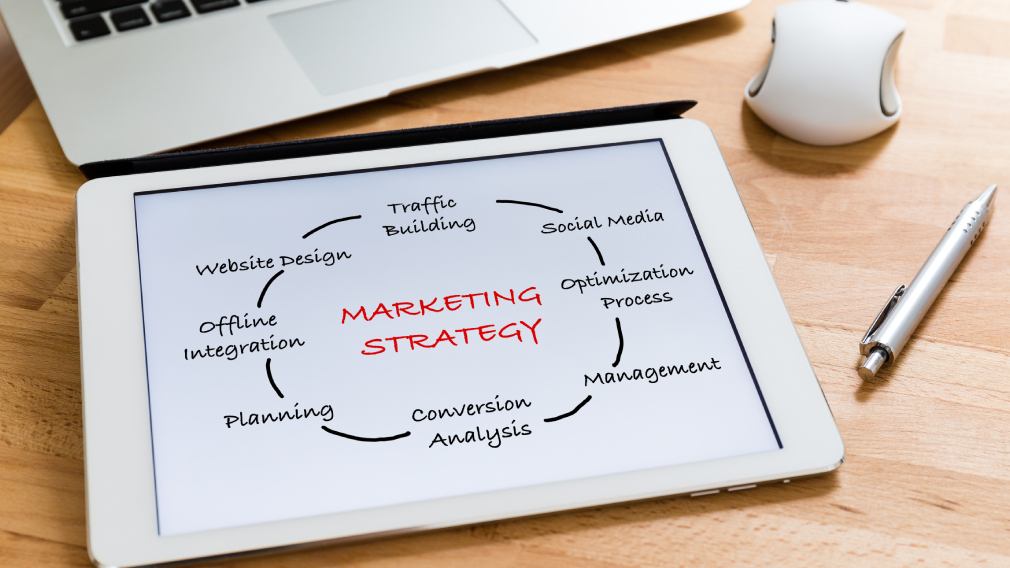

You want to reach local customers, grow your business, and stop wasting money on clicks that fail to convert. Crafting a consistent Google Ads strategy for service businesses gives you a structured way to forge meaningful connections with potential clients. By carefully developing a supportive environment for your ads, you set the stage for lasting, mutually beneficial relationships. Below, you will find a comprehensive blueprint for achieving those goals. This approach acknowledges the unique challenges you face as a service provider, offers a step-by-step plan to keep your ads performing at their highest potential, and provides a sense of reassurance that you can guide your audiences effectively through every phase of your paid advertising funnel.
Understand your key objectives
Before you begin, it is vital to identify the motivations driving your paid campaigns. You might be looking to increase brand awareness, capture new leads, or boost overall conversions. If you do not have clearly defined objectives, you may end up making haphazard decisions that drain your budget without meaningful returns. Clarity provides focus and helps you align messaging, targets, and budgets. You ensure your ads speak directly to your audience’s needs, thereby reducing wasted costs.
- Determine your primary marketing goals
- Do you want more awareness, or are you aiming for higher-quality leads?
- Are you targeting first-time customers or existing clientele?
- Where do you want your business to be in the next six months?
- Connect each goal to a relevant metric
- Potential metrics: Click-through rate (CTR), cost per lead (CPL), number of calls, or appointment bookings.
- Measure outcomes: Decide how you will track success, such as form completions or phone call volume.
- Outline a timeline for evaluation
- Plan how often you will review performance, whether weekly or monthly.
- Adjust your strategy based on concrete data and trends that evolve over time.
Concrete objectives not only clarify your Google Ads journey but also empower you to remain empathetic to the unique struggles of potential clients. You focus on helping rather than blindly advertising, which creates a sense of trust and fosters sustained engagement.
Choose the right platforms
Most people automatically think of Google when running paid ads, but you have many other channels to explore as you expand your reach. YouTube, Meta (Facebook and Instagram), TikTok, and even LinkedIn all offer opportunities for local lead generation. When you recognize that each platform has a distinct environment and user base, you can tailor your approach to gain a cost-effective reach.
- Google Search Ads: Reach users actively searching for service providers like you.
- YouTube Ads: Showcase video content to audiences looking for visual stories or demonstrations.
- Display Ads: Gently remind interested prospects about your services while they browse other sites (display ads vs search ads difference).
- Social Media Ads: Spark conversations or heighten brand awareness in a more casual environment.
By selecting the most relevant channels, you direct your budget to where your audience is most engaged. This consumer-centric, empathetic approach not only addresses users’ pain points but also positions you as an authoritative figure in your niche.
Structure your account effectively
A clear, consistent account structure ensures you maintain an organized system for your campaigns, ad groups, and ads. This prevents wasted spend, lost conversions, and disjointed messaging. Familiarizing yourself with the fundamentals is essential when you’re ready to launch ads on Google.
Group your campaigns by objectives
Separate your campaigns based on your key goals, target locations, or product lines. This approach tackles each unique challenge systematically:
- Brand awareness: A campaign dedicated to introducing your brand, highlighting what sets you apart.
- Lead generation: Performance-driven campaigns aimed at collecting leads and initiating contact.
- Retargeting funnels: Campaigns that reintroduce your services to users who have already engaged.
Arrange ad groups by themes
Within each campaign, create ad groups reflecting specific services or closely related keywords. Think about your audience’s mindsets. Are they searching for immediate help, or are they casually exploring? Breaking it down into organized sections enables a supportive environment where you can craft individualized ad experiences.
If you need a deeper dive, consider referencing how to structure a google ads account. A well-structured account saves you from confusion, ensures consistent messaging, and helps you maintain the focus necessary for lasting growth from your PPC campaigns.
Research your keywords thoroughly
A crucial element of any Google Ads strategy is selecting the right keyword set. You want to capture relevant traffic, match user intent, and keep your cost-per-click (CPC) feasible.
-
Identify core service keywords
Make a list of the primary terms customers use to describe your services. Focus on those that reveal a strong intention to buy or book an appointment. -
Explore long-tail variations
Long-tail keywords may have fewer monthly searches, but they often attract more serious leads. For instance, “emergency plumbing services in Boston” indicates urgent need and location, narrowing your audience to those more likely to convert. -
Use Keyword Planner
Google’s own Keyword Planner is free and user-friendly, helping you generate ideas and estimate potential costs. To access it, switch from Smart Mode to Expert Mode in your Ads account, then click on “Discover new keywords.” This tool helps ensure you identify the language your potential clients use most often. -
Leverage negative keywords
If you see your ad showing for irrelevant terms, negative keywords keep your budget safe. Including negative keywords ensures your ads only display for relevant queries. For more guidance, read how to use negative keywords in ppc campaigns.
By refining your keywords, you generate a more relevant audience while providing a supportive environment for prospective customers. They see precisely what they need from your ad copy, leading to improved click-throughs and better conversions.
Craft empathetic ad copy
Your ad copy is your first impression, often with limited words to create a lasting impact. You want to address the user’s immediate concerns and highlight how your service meets those needs. Incorporating empathy, authority, and trust elements yields ads that resonate more deeply.
-
Speak to their problems
Identify pain points in your headlines, then offer a solution in your descriptions. If you run a landscaping service, something like, “Tired of an Overgrown Yard? Book Expert Landscaping Today!” can capture the user’s urgency and propose an immediate fix. -
Use power words strategically
Words like “secure,” “expert,” “tailored,” or “comprehensive” can reinforce trust. Sprinkle them naturally. Overusing sensational language might appear insincere or pushy. -
Incorporate social proof where possible
Short references to awards, certifications, or “Over 1,000 Happy Clients” can build credibility. Studies from Unbounce show that social proof is key to boosting relevance and trust in your PPC ads. -
Encourage decisive action
A shorter call to action focusing on the next step is often enough: “Call Now for a Free Quote.”
For more nuanced tips, see how to write high converting google ads copy.
A thoughtful tone and carefully placed trust signals communicate that you genuinely understand your customers’ challenges. You are not simply promoting services, but rather offering a path toward relief, growth, or resolution.
Optimize your landing pages
Clicking on your ad should feel like stepping into a well-prepared welcome area. Your landing pages must assure visitors they are in the right place, encourage them to stay, and guide them to take action.
Ensure consistency
The messaging on your landing page should mirror your ad copy, reflecting the same keywords and concepts. If someone clicks an ad promising “24/7 Plumbing Repair,” the landing page should reiterate that promise immediately, preventing any confusion.
Focus on user experience
Make it simple for visitors to find what they need. Incorporate prominent contact forms, phone numbers, or chat boxes. Keep color schemes and headings clear and cohesive so they can easily decide on the next steps. For additional insights, see landing page best practices for paid ads.
Minimize distractions
Remove external links or unnecessary navigation elements that might send users off-site. By keeping their attention where it belongs, you create a tailored environment that resonates with their immediate concerns. A calm, supportive atmosphere like this fosters trust.
Mobile responsiveness
Many potential clients discover new service providers on their phones. Your page layout, images, and submission forms should remain easy to use on smaller screens. Any friction might cause them to abandon and look for a competitor instead.
Track conversions meticulously
Data-driven insights are vital for optimizing your ads, measuring growth, and validating that your budget is well spent. You want to confirm which keywords, ad copy, and landing pages deliver real leads or revenue.
- Enable conversion tracking
- Set up code snippets or use Google Analytics to track form completions, calls, or other key actions.
- Follow a guide, like how to track conversions in google ads, to simplify the technical details.
-
Capture offline conversions
If a portion of your conversions occur offline—such as phone consultations or in-person visits—record them in your Ads account or a CRM tool. This unifies your data, giving you a complete sense of customer interactions. -
Monitor cost per acquisition (CPA)
Cost per acquisition reveals how much you spend on ads to gain each new client. A high CPA might indicate that your ads are not properly qualified or that your landing page requires refinements. -
Evaluate return on ad spend (ROAS)
ROAS goes one step further, measuring how many dollars you earn for each dollar you spend. If your ROAS is too low, it is time to revise targeting, adjust your bids, or reconsider your messaging.
Tracking these metrics ensures you take an empathetic, data-driven approach to refining campaigns. By ensuring your budget supports the most valuable traffic, you maintain a stable environment for growth and trust.
Refine your targeting strategies
Google Ads provides robust audience selection tools to pinpoint your ideal customers. Service businesses often need localized audiences with specific search intentions. Take advantage of these targeting options:
- Location targeting: Show ads only in relevant geographic areas where you actually operate.
- Demographic insights: Age, gender, or income-based targeting helps you narrow your focus on those who usually have the means or need for your service.
- Audience segments: Google Ads allows you to add who they are, what they search for, and how they have interacted with your site (Google Ads Help). In-market segments, custom segments, and retargeting pools let you craft hyper-relevant ads.
- Remarketing lists: Remind visitors who took specific actions on your site that you are ready to help them. Check out how to set up retargeting campaigns if you need a step-by-step.
When your targeting is fine-tuned, it becomes easier to speak directly to the right people’s challenges. You leave audiences feeling supported, not spammed, because your ads show up at precisely the right time.
Evaluate your performance metrics
Keeping track of performance ensures that you spot trends early and address issues promptly. By reviewing data, you maintain control, keep your ad environment supportive, and prevent wasted spending.
Key metrics to watch
- Impression share: How often are your ads appearing for eligible searches? Missing impressions might mean your budget is too low or your Quality Score is falling short.
- Quality Score: Google’s measure of ad relevance, landing page experience, and expected CTR. For pointers, read google ads quality score optimization.
- Click-through rate (CTR): A higher CTR often suggests your ad resonates with a user’s intent and provides the tailored help they seek.
- Conversions: Track how many leads, calls, or bookings result from your ads. Configure these properly so that you understand your real ROI.
Tools for analysis
- Google Analytics: Look at behavior flows, page performance, and user demographics.
- Google Ads dashboards: Observe performance by day, device type, and more.
- Third-party reporting tools: If you seek deeper insights, many specialized programs deliver automated reports.
Evaluating your progress consistently means you remain open and responsive to customers’ evolving situations. By applying empathy in how you interpret performance, you can pivot to better serve your audience.
Build an omnichannel approach
Understanding that “paid advertising” does not begin and end with Google is vital. Depending on where your prospective clients spend time online, it might help to incorporate multiple platforms and funnel stages. This diversification can safeguard you from changes in one platform’s algorithm or competitive pressure.
- Combine YouTube with search ads: Prospects watch demonstration videos or how-to content, then move to your direct search ads once they want to act.
- Integrate Facebook ads for brand awareness: Check out facebook ads strategy for local businesses if you want to capitalize on a social media presence and retarget users who clicked your ad on Google.
- Extend your funnel into email marketing: If you collect email addresses, incorporate nurture sequences that remind subscribers of your solutions.
By meeting potential clients wherever they naturally spend time, you create a sense of continuity. This fosters deeper trust, as the brand experience feels consistent and supportive across every platform.
Avoid common PPC mistakes
Even a well-researched plan can have pitfalls. Understanding them beforehand is your best defense.
-
Overly broad targeting
If you do not refine your location and audience, you risk paying for clicks from users who have no interest or are out of reach. Consider checking out when to use broad match vs phrase match to clarify which match types best suit your goals. -
Neglecting mobile optimization
Many of your prospective customers use smartphones. If your ads or landing pages do not display properly, you will lose conversions quickly. -
Not segmenting keywords
Combining too many unrelated keywords in a single ad group confuses your messaging and lowers relevancy. Your ads become less empathetic to user needs because you are not addressing their specific search intent. -
Failing to test frequently
A/B testing different ad copy, landing pages, or bids helps you find the best combinations. Explore methods from how to split test ad creatives for a more structured approach. -
Ignoring negative keywords
Show up where you belong—avoid queries that consume your budget but do not produce leads. Periodically check your search terms and refine.
For a detailed look at frequent errors, see common reasons google ads campaigns fail. By staying vigilant about these traps, you preserve your budget and build a long-term foundation for success.
Track and optimize your costs
Finances represent a key concern for service-based advertisers. You want to focus on controlling costs without compromising reach. A healthy cost strategy merges empathy for potential prospects, who need you at reasonable prices, with attention to your bottom line.
Assess your bidding strategy
Google offers manual bidding, target CPA, and target ROAS, among other options. The best choice depends on your campaign goals and budget constraints. If your aim is lead generation at a predictable acquisition cost, target CPA might be most beneficial. Some businesses prefer the finer control that manual bidding offers once they have enough data to make adjustments on the fly.
Balance your ad schedule
If your services are not available 24/7, it’s wise to limit your ads to active business hours. You can use ad scheduling to partition your budget and ensure that you respond to new leads quickly. This approach also shows respect for potential clients, ensuring that they’ll receive timely support when they respond to your ads.
Use cost-saving techniques
- Ad rotation: Test different ads to see which combination of headlines and descriptions yields better ROI.
- Negative keywords: Keep refining them so you only pay for relevant clicks.
- Quality Score improvements: Focus on more relevant ad copy, excellent landing pages, and strategic keywords to boost your scores and reduce your CPC. For tips, see how to lower cost per click in google ads.
Enhancing your profitability rests on frequent monitoring and agile adjustments. By reviewing performance data and costs together, you create an individualized plan that ensures your budget drives growth rather than gets squandered.
Implement continuous performance testing
Split testing (A/B testing) is perhaps the most direct way to measure how your audience responds to creative variations. Revisit your goals and modify ads to reflect fresh insights. Consider these strategies:
-
Test headlines and descriptions
It might be the difference between a lackluster CTR and a campaign that consistently attracts relevant clicks. -
Evaluate landing page layouts
One page might have a better layout for your service. Another might have a simpler contact form or more compelling calls to action. Regular tweaks give you data on which changes lead to tangible improvements. -
Adjust your calls to action
If “Call Now for a Free Estimate” yields a lower conversion rate than “Schedule Your Consultation Today,” you have immediate insight. Small shifts in tone or emphasis can make a marked difference in results.
By maintaining an ongoing practice of testing, you ensure that your ads and landing pages never go stale. This approach is not just about short-term sales, but also about consistently reinforcing trust with new leads.
Leverage a funnel-based strategy
Prospects seeking your services follow distinct journeys, from initial interest to eventual hiring. Segment your campaigns to align with each stage of that buyer’s journey:
- Top of the funnel: Broader messaging to introduce your services.
- Middle of the funnel: Ads highlighting solutions, pricing, or testimonials for users already acquainted with you.
- Bottom of the funnel: Highly specific offers targeting those ready to purchase or schedule.
If this approach sounds interesting, you can also see how similar strategies apply outside of Google, for example, how to create a facebook ad funnel. By aligning your funnel segments with specific messages, you demonstrate a deeper compassion for your audience’s varied needs. You present relevant information at just the right moment.
Integrate and measure omnichannel results
A cross-platform perspective keeps your entire marketing ecosystem balanced. Consider weaving in:
-
Google Ads: Great for high-intent leads and remarketing.
-
Facebook or Instagram Ads: Boost brand awareness and target custom audiences based on interests. Explore facebook ads targeting options explained.
-
YouTube:
-
Funnel Fit: Top- to middle-of-funnel brand content.
-
Detailed Guidance: See youtube ads for lead generation for how to guide viewers to your landing page.
-
TikTok Ads: Particularly advantageous if your services appeal to a younger audience base.
Keep tabs on how these channels feed leads into your pipeline, and compare their conversion rates. If you notice that Google search campaigns produce consistent, high-value leads, you can allocate more budget there. Alternatively, if Meta channels deliver affordable clicks that convert well, adjust accordingly. The key is to see the bigger picture so you can invest in the channels that provide the greatest returns.
Summarize your continuous improvement approach
Creating a holistic Google Ads strategy for your service-based business involves more than simply putting a few ads online. Rather, it is an empathetic, well-coordinated system that identifies unique challenges and consistently refines your approach. By establishing a supportive environment for potential customers—through relevant ads, welcoming landing pages, carefully tracked conversions, and an omnichannel presence—you build a reputation for trustworthiness and expertise.
Below is a concise list of immediate next steps:
- Clarify your top priorities and align them with relevant metrics.
- Use structured campaigns and ad groups that mirror your service categories.
- Select precise keywords that capture genuine interest, short and long-tail.
- Craft empathetic ad copy that addresses specific customer pain points and fosters trust.
- Polish your landing pages for clarity, speed, and mobile-friendliness.
- Implement conversion tracking in detail, including offline leads if applicable.
- Explore advanced targeting segments in Google Ads.
- Evaluate performance data regularly, especially CPC, CTR, CPA, ROAS, and Quality Score.
- Run split tests on your ads and landing pages to discover the most impactful variations.
- Incorporate an omnichannel strategy—like YouTube, Facebook, or LinkedIn—to broaden your lead funnel.
If you want a quick reminder of all essential steps in an easy-to-follow format, you might consider referencing a ppc campaign checklist for small business. Remember that your aim is to craft an environment where potential clients feel seen, heard, and supported. When you provide precisely what they need, you do more than drive conversions—you nurture relationships that generate repeat business, word-of-mouth referrals, and a sterling professional reputation.
Take action and stay focused
You are now poised to optimize your paid advertising strategy. This systematic approach, rooted in empathy and powered by reliable data, ensures you do not waste money on unfocused targeting or weak ad copy. Over time, you can refine the journey to reflect your customers’ demands and your evolving expertise.
As you progress, maintain open lines of communication with your team, clients, or marketing partners. If you decide to branch out to other paid channels, ensure you apply these same principles: define your objectives, pick the right audience, speak to their needs, measure results, and refine. If you are already on a tight budget, check out how to run ads on a limited budget for further guidance.
Above all, keep testing. With each experiment and fresh insight, you transform challenges into actionable solutions. By viewing advertising as an ongoing dialogue—rather than a one-off task—you will discover new opportunities for growth and a sustainable way to lead your service business forward.