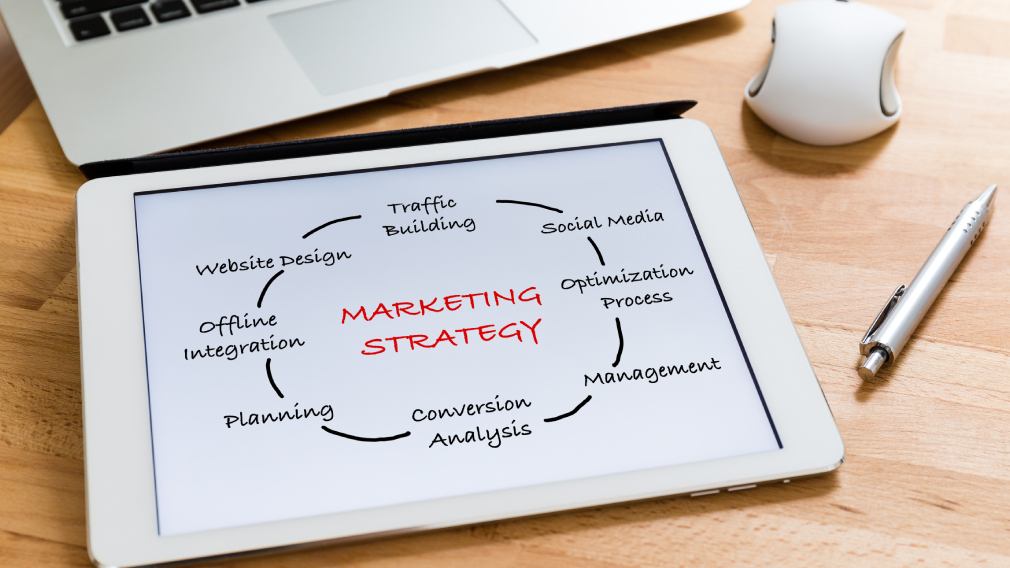

By the time you finish reading this guide, you will have a thorough understanding of how to track social media performance, evaluate your progress over time, and create tailored strategies for growing your reach and engagement. Using an empathetic yet data-driven approach, you can empower your local brand or personal venture to thrive in the ever-changing world of social media. While it may feel overwhelming at first, a supportive environment and systematic plan will allow you to transform numeric metrics into meaningful insights. Below is a comprehensive framework for confidently measuring and optimizing your social efforts.
Recognize the value
Many local business owners and social media managers struggle to show how their efforts translate to real results. The good news is that tracking social media performance can bring clarity to your social strategy, while also revealing opportunities for greater reach, engagement, and sales.
- Clarify business objectives. First, you want to map your social media activities to tangible goals, whether that means increasing online orders, driving in-store visits, or building a robust online community.
- Spot inefficiencies. Thorough analysis lets you see which platforms, content themes, or posting times fail to deliver. You can then redirect time and resources to tactics that truly foster growth.
- Build trust with stakeholders. By presenting data that ties directly to brand awareness, lead generation, or revenue, you can better advocate for additional support from colleagues or top-level leadership. According to The Sprout Social Index™, demonstrating how social media campaigns align with business goals is the number one way to secure more investment (Sprout Social).
Understanding the value of social media data is the first step toward optimizing each post. Whether you are posting behind-the-scenes snapshots on Instagram or promoting weekly specials on Facebook, a purposeful approach to measurement can help you find the strategies that best serve your audience. If you need a foundational check of where you stand, you can conduct a thorough review of your social channels by following guidelines similar to those in how to run a social media audit.
Define your goals
Before you track anything, you must have specific goals in mind. This is where you create a supportive framework for your social media activity, reminiscent of how effective rehab programs first identify unique challenges to craft individualized treatment plans. Following this principle, you will want to tailor your goals to meet your brand’s specific needs.
Tie goals to overarching priorities
Align your goals with your core business objectives. For instance, a home-based baking business might focus on increasing brand reputation and local orders; a personal trainer might aim for more discovery calls. When you keep your broader mission in view, it becomes easier to translate online actions into real-world impact.
Common social media goal themes include:
- Building brand awareness: This involves expanding your online presence and making a lasting impression on your target audience. You may track metrics like reach, impressions, and share of voice. Over 60% of business leaders cite brand reputation as a top focus (Sprout Social).
- Generating leads and sales: You want to see new social followers become paying customers or clients. This usually involves metrics like sales revenue and lead conversion rates.
- Fostering engagement: Encouraging meaningful conversations with your audience can fuel long-lasting loyalty. Metrics here include likes, shares, comments, and mentions.
Set SMART targets
Employ the SMART (Specific, Measurable, Attainable, Relevant, and Time-bound) framework for more precise planning (Hootsuite Blog). For example, you might want to “increase monthly Instagram engagement by 20% over the next three months” rather than simply saying “improve Instagram engagement.” This clarity heightens accountability.
If you are new to goal setting, see if your brand identity is clearly defined. If you need help in that area, consider reviewing how to create a brand voice on social media to ensure your tone and visual identity remain consistent across platforms.
Choose meaningful metrics
After defining your desired outcomes, you want to determine the right social media metrics to track. By focusing on metrics directly related to your objectives, you avoid distracting data and zero in on key performance indicators (KPIs) that matter most. Look for a concise and relevant set of numbers that align with your goals.
Potential KPIs to consider
- Reach and impressions
- Indicates how many people saw your posts and how many times your posts were displayed. This is valuable for building brand awareness.
- Look at trends over time. Spikes or drops can point to content relevance or platform algorithm changes.
- Engagement metrics
- Includes likes, comments, shares, saves, video completions, and direct messages. Tracking engagement helps you see how well your community connects with your brand.
- Engagement rate (total engagements divided by follower count, multiplied by 100) is a clear indicator of how effectively your content resonates with your audience (Hootsuite Blog).
- Follower growth
- Measures how quickly you are expanding your audience. Follower count is often a sign of brand credibility, but dig deeper to ensure your followers are authentic and relevant.
- Sudden surges might indicate a viral post, while plateaus are a prompt to review content strategies.
- Conversion metrics
- Tracks the actions readers take, such as click-through rates, download completions, sign-ups, and actual sales. These metrics help tie your social presence directly to financial outcomes (Hootsuite Blog).
- If your goal is generating leads, watch your conversion rate carefully to see whether your calls to action effectively urge your audience toward a desired step.
- Response time and satisfaction
- Quick, personalized responses can drive positive brand impressions. Monitor mentions, replies, and direct messages to gauge your brand’s responsiveness.
- This is especially important if you offer customer service through social platforms. Timely interactions can drastically improve loyalty and encourage repeat business (Sprout Social).
Match metrics to each platform
Each social network has unique attributes and audience behaviors. Try to match the metric to the platform’s strengths. For example:
- Instagram reels or short-form videos: Track video completion rates and shares for an authentic view of audience interest.
- Facebook for local businesses: Track engagement in community groups or local marketplace interactions, and keep an eye on response times to comments.
- TikTok: Watch short-video metrics like shares, watch time, and follower growth, especially if you rely on quick creative content to reach a younger demographic. For more tips, explore tiktok content strategy for service brands.
If your brand heavily relies on a visual narrative, you may also want to consider creating a visual content strategy for instagram to help unify your aesthetic and measure responses effectively.
Select your tools
Tracking social media performance gets much easier when you have reliable tools that gather and analyze data in real time. These tools give you a comprehensive view of each platform, allowing you to make informed decisions without juggling multiple analytics dashboards.
Native insights
Almost every major social platform offers native analytics:
- Facebook Insights: Provides information like post reach, demographic data, engagement metrics, and best posting times.
- Instagram Insights: Delivers stats on interactions, profile visits, story views, and reel plays.
- TikTok Analytics: Tracks viewer demographics, video views, follower growth, and trending sounds.
While these built-in analytics can be insightful, you might need third-party solutions to compare results across multiple platforms in one place or to dive deeper into competitor analysis.
Third-party analytics tools
Consider unified dashboards, such as:
- Sprout Social or Hootsuite: Aggregates performance of various social accounts, helps with scheduling, monitors brand sentiment, and clarifies return on investment (Sprout Social, Hootsuite).
- Google Analytics: Offers a clear perspective on how many users arrive at your website or landing pages via social channels.
- Rival IQ: Provides robust competitor analysis and customized reporting, so you can see how you stack up in your niche.
You can also look into tools for scheduling social media posts that integrate analytics. This makes it easier to plan content in advance while monitoring real-time performance. If you’re balancing the need for marketing support with budget constraints, look for platforms that provide free trials or scaled pricing models.
Analyze and interpret data
Collecting data is just the beginning. The real magic happens when you interpret that data to uncover patterns, highlight successes, and pinpoint areas needing improvement.
Compare results over time
Tracking month-over-month or quarter-over-quarter performance helps you see progress, detect seasonal trends, and quickly identify anomalies. If your brand sees a significant engagement spike each holiday season, for example, you can prepare to capitalize on that trend next year. Conversely, a sudden dip might indicate a change in platform algorithms or a content mismatch.
Keep an eye on:
- Patterns in engagement or reach per day/time. Some local industries see higher responsiveness in the evenings, others early in the morning. If you notice consistent spikes, consider scheduling posts during those high-traffic windows. You can also check the best times to post on social media in 2024 to refine your schedule.
- Content format popularity. Did short-form videos spark more shares? Do you notice that photo carousels receive twice as many comments compared to single-image posts? These insights guide your future content mix.
Dig into audience demographics
Go beyond overall numbers and explore who is engaging with your brand:
- Age, location, and gender breakdown. This can tell you if you are connecting with the audience you originally intended.
- Interests and behaviors. In many cases, you can gather data on user preferences, so you can develop content that resonates even more deeply.
- Share-of-voice. Compare mentions of your brand versus competitors to measure visibility in your local market.
Identifying your audience segments helps you design messages that feel personal. This is akin to a tailored treatment program in rehab settings, where each individual’s background and triggers are considered before designing a plan. Similarly, you’ll see better engagement if your posts and communication style speak directly to your audience’s experiences and needs.
Spot synergy between platforms
Cross-promotion can be a powerful tactic if done thoughtfully. For instance, if you have a strong Instagram presence, you might use that momentum to drive traffic to your Facebook page or your website. Use analytics tools to see whether your audience moves between platforms. This synergy can highlight which channels work harmoniously and which might be underperforming, prompting a reallocation of effort.
Refine your strategy
Performance data only becomes impactful when it informs your next steps. Through consistent iteration, you can shape an approach that feels right for your brand, resonates with your audience, and boosts results at every milestone.
Reinforce top-performing content
Revisit your best posts to analyze why they worked:
- Did the captions pique curiosity? If so, replicate that style or length in future content. You can also learn more about converting scrollers into customers by checking out how to write captions that convert.
- Did the post showcase a short-form video that grabbed immediate attention? Short-form content is increasingly popular. If your audience shows strong interest, consider exploring how to use reels to grow your business.
- Was there a particular call-to-action that drove traffic or sign-ups? Tailor future CTAs around this winning formula.
Improve underperforming areas
Sometimes, even the most carefully planned content can miss the mark. Use insights to pinpoint why certain posts lag in views or engagement:
- Check posting times. Maybe the content went live when your main demographic was offline.
- Evaluate design and copy. Ensure your visuals and writing are straightforward, on-brand, and relevant to your audience’s needs.
- Adjust your balance of educational vs. promotional content. Fear of being too sales-focused can prevent engagement. Consider reading how to balance educational and promotional posts to find a comfortable mix.
Revisit and redefine goals
As your brand evolves, so do your priorities. Continue to reevaluate your main objectives. You might shift from brand awareness to generating leads, or from building a small local following to expanding regionally or nationally. Realigning goals ensures that you always measure the most relevant outcomes.
Grow through engagement
Precise analytics refine your strategy, but community engagement is what truly fuels lasting success. You can foster an environment of camaraderie, much like specialized rehab groups that unite people with shared experiences—a supportive place to connect and grow.
Spark two-way conversations
Encourage your followers to voice opinions and experiences:
- Ask open-ended questions: “What’s your biggest challenge in [your niche] right now?”
- Prompt followers to share user-generated content. You can learn more about repurposing and featuring user submissions by visiting how to use user generated content.
- Create polls or quizzes in Instagram Stories, Facebook posts, or TikTok videos.
Measuring the volume and sentiment of comments can signal whether your audience resonates with your content. A spike in positive mentions typically indicates that your community is thriving, while a lack of responses may point to a need for more interactive formats.
Tap into short-form video and carousels
Short-form video (Reels, TikTok, YouTube Shorts) and image carousels (Instagram slideshows, LinkedIn documents) are powerful content vehicles:
- Short-form video fosters real-time connection, especially if you inject authenticity with behind-the-scenes clips. Quick cuts and upbeat music can captivate your audience’s attention, increasing watch rates and shares.
- Carousels let you share bite-sized tips or step-by-step guides. For instance, an auto repair shop might post a carousel summarizing “Five Ways to Maintain Your Car Before Winter.” Monitoring the saves, shares, and comments on these posts helps you see if the format resonates.
When you discover what sparks the most engagement, you can double down on that format and possibly interlink it with other marketing channels, ensuring consistent messaging across your brand.
Build a sense of community
Like men’s-only rehab centers that unify participants who share common challenges, your social channels can do the same for your audience. Initiate or join local groups, respond to direct messages promptly, and treat every individual concern with empathy. This approach fosters long-lasting loyalty, where followers champion your brand in their own networks.
If you need additional guidelines, explore how to build community through social content. A connected audience not only consumes your content but actively participates in the conversation, generating the social proof that can bring in more leads and customers eventually.
Optimize your content plan
For continued success, refine your broader content strategy to reflect new findings. An optimized plan ensures your social media presence maintains momentum and aligns with your business goals.
Plan a social content calendar
Organizing your posts in a content calendar helps you maintain consistency:
- Map out themes, promotions, and daily, weekly, or monthly campaigns. This keeps you from scrambling for ideas at the last minute.
- Do not forget to include seasonal or holiday-dependent content that can increase relevancy for local audiences.
- If you need help, check out how to create a social media content calendar.
Use a hashtag strategy
Hashtags can naturally expand your content’s reach:
- Tap into local hashtags if you want to connect with your community or geographical region.
- Identify industry-specific hashtags to reach people who share related interests.
- Learn more about crafting effective hashtags in how to use hashtags effectively.
Consider repurposing content
Give your high-performing posts new life on other channels or even in different mediums:
- Transform a successful Instagram caption into a Twitter thread.
- Repurpose a top-performing reel by sharing it as a snippet on Facebook.
- Combine a series of tips into a single blog post on your website.
- For more structured insights, see how to repurpose content for social media.
Balance SEO and branding
Social media and search engine optimization (SEO) can reinforce each other. For instance, you can integrate keywords relevant to your local brand or personal niche within your social posts and tags. This synergy builds credibility across platforms, increases discoverability, and furthers brand consistency.
A local florist, for example, might feature keywords around “wedding bouquets” or “holiday centerpieces” in social captions as well as within their website’s blog content. This integrated approach ensures that when potential customers search for event florists, your brand stands out. Remember, your brand voice should remain consistent to reinforce authenticity. If you need additional tips, read social media strategy for new businesses for a blueprint on aligning platforms, SEO, and branding.
Measure your ROI
Quantifying how social media impacts revenue, leads, or other financial outcomes can further justify your social efforts and attract more organizational support. Metrics like reach or engagement alone might not illustrate the complete picture. Instead, measure how many conversions originated from social media.
Evaluate real business impact
Use tools like Google Analytics and platform insights to identify:
- Direct conversions: Purchases or sign-ups that happened immediately after someone clicked a social post.
- Assisted conversions: Situations where social media introduced or re-engaged a user who eventually converted through another channel.
- Sales from followers: Spot patterns between follower growth and sales peaks to see if your brand’s social presence correlates with revenue.
For more specific approaches to evaluating profitability, consider how to measure roi from social media.
Iterate for long-term success
The more precisely you can attribute sales and leads to social efforts, the easier it becomes to secure resources and plan strategic expansions. If you realize that Instagram reels bring in double the leads of Facebook posts, you can confidently reassign more budget and creative energy there. This process of continuous discovery and refining fosters a sense of reassurance that your social media investments are supporting sustainable business growth.
Key takeaways
- Start with clear goals. Know exactly what you want to achieve, whether that is boosting local brand recognition, driving customer engagement, or converting leads into paying clients.
- Track relevant metrics. Align your KPIs, such as engagement rate or conversion rate, with your goals so each data point directly informs next steps.
- Use reliable tools. Simplify the tracking process with native insights or third-party platforms like Sprout Social and Hootsuite.
- Interpret your data. Look for trends, patterns, and anomalies that reveal strengths or weaknesses. Adjust your content plan to build on what works and fix what does not.
- Foster community growth. Encourage conversations, share short-form video, use carousels, and express genuine empathy in your interactions. Loyal followers not only elevate brand engagement but also become advocates.
- Refine continuously. Your audience’s expectations evolve quickly. Revisit goals, test new formats, and adapt your strategy based on the latest data. This ensures steady improvement and maintains the supportive environment needed for growth.
By nurturing an informed and data-focused approach, you maximize your social media influence without sacrificing authenticity. Just as a tailored treatment plan in rehab aims for long-term success, your adaptable strategy for social media can do the same, providing the support necessary for meaningful growth. Keep reviewing your performance, celebrating the wins, and revising when situations shift. Over time, the results you track and optimize will speak for themselves, translating into deeper engagement, rising sales, and a devoted community that champions your brand wherever they go.