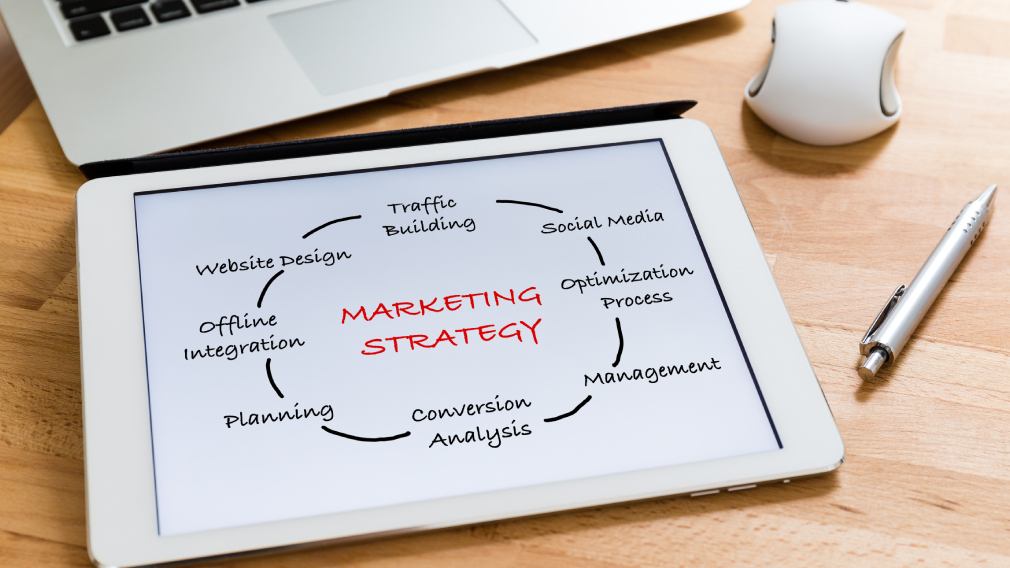

When you explore how to write a service page that converts, it helps to begin with a supportive and empathetic mindset. You want to acknowledge the unique challenges your potential customers face and offer the comprehensive guidance they need to make an informed decision. By blending authority, clarity, and empathy, you can build a page that resonates with your audience, leading them toward the next step of reaching out or making a purchase. Below, you will find best practices and detailed insights on creating a service page that truly supports your visitors while driving conversions.
Define your service page goals
Starting with clear goals helps you focus your message and keep your content consistent. You may already have an established business mission, but it is crucial to translate those broader aims into tangible objectives for your service page. This clarity provides a firm foundation, guiding you as you structure content and speak to your audience’s questions and reservations.
Identify your primary objective
Decide what you want visitors to do when they visit your service page. Are you trying to prompt them to request a quote, subscribe to your email list, or schedule a consultation? By zeroing in on a single action, you reduce confusion and highlight the path you want them to follow.
- Do you want leads to fill out a contact form?
- Are you seeking immediate purchases for a specific service?
- Is a phone call or appointment booking your main aim?
This step sets expectations for both you and your visitors, allowing you to shape your subsequent messaging.
Align with overall SEO strategy
A strong service page not only guides visitors but also nurtures search engine visibility. Align your goals with an overarching SEO plan to boost the page’s exposure. Consider doing thorough keyword research to discover the terms your audience uses when looking for solutions. For a structured approach on finding the right terms, visit how to do keyword research for content.
When your content and SEO efforts align, you improve your website’s authority and prime it for higher search rankings. Many businesses also use pillar pages and topic clusters to enhance their chances of ranking for broader, competitive keywords. For a deeper look at how these structures can support your authority, see pillar content and topic clusters explained.
Map your objectives to a content calendar
Planning ahead ensures you remain consistent. If you map your goals onto a content calendar, it becomes easier to schedule updates and integrate your service page improvements into a broader strategy. This helps prevent irregular posting or rushed changes. For more guidance on keeping your content production organized, you can explore content calendar for service businesses.
Highlight your audience’s unique challenges
Empathizing with your visitors is key to a service page that converts. When you demonstrate that you understand their challenges, you create a supportive environment that fosters trust and encourages them to stay longer. Recognizing and addressing these pain points early in your copy can reassure visitors that they are in the right place.
Pinpoint their pain points
Service pages often focus on delivering solutions. Before you jump to the solution, though, take a moment to define the problems your audience struggles with. Whether it is inefficient internal processes, a need for fresh marketing strategies, or a desire to outrank competitors, acknowledging these issues first shows that you care about the real obstacles in their path.
- Describe the friction they might experience if these issues remain unsolved
- Mention typical stumbling blocks or frustrations in the context of their industry
- Use empathetic language to assure readers that you know how these challenges impact them
Validate their concerns
People want to feel heard. By validating your audience’s concerns, you offer hope and build connections. Try weaving in concise user stories or a short anecdote illustrating a common problem—just enough detail to show that this is a genuine concern you have solved before. This approach is part of a comprehensive care strategy on your page, letting your audience know you see them as individuals with specific needs.
Introduce your tailored solutions
Once you have addressed pain points, pivot to solutions that are in tune with those challenges. This transition sets the foundation for illustrating how your service can offer real value. Focus on straightforward language. Rather than burying your readers in technical jargon, highlight how your approach is personalized, supportive, and results-driven.
Organize a supportive content structure
Information overload is a common obstacle online. To ease this burden, choose a structure that supports your audience’s sense of progress and clarity. Your service page should feel like a welcoming guide that steadily leads visitors toward understanding and action.
Embrace pillar content and clusters
You can strengthen your overall site authority by building pillar content that introduces broad topics, then using cluster pages (like your service page) to dive deeper into subtopics. By linking these pages together, visitors can explore a comprehensive network of information. This method also signals to search engines that your site covers topics thoroughly, improving your ranking potential.
- Create an in-depth pillar page for each main theme
- Develop cluster pages for related niches or services
- Interlink these pages so users can flow seamlessly from one piece of content to another
For an up-close look at pillar content strategies, see pillar content and topic clusters explained.
Select a logical layout
Structure your page in digestible segments. One effective technique is the Problem-Agitate-Solution format, which guides readers step by step:
- Present the issue or question.
- Showcase the risks or frustrations if it is left unsolved.
- Outline your solution and its benefits.
This approach matches visitors’ psychological journey. They see the problem, recognize why it is urgent, and feel relieved when you offer a clear solution.
Use headings and visuals strategically
Break up text with compelling subheadings that instantly reveal what each section covers. Consider including images, videos, or infographics to reinforce your points. According to Forbes, visual content can be processed up to 60,000 times faster than text alone, boosting engagement and retention (Forbes).
If you offer a specialized service, visuals depicting your process or client outcomes can powerfully illustrate how you transform problems into solutions. Place a call-to-action button near these visuals so visitors can quickly act when they feel most convinced (Webflow).
Build credibility and trust
Your content needs to do more than just educate. It should also convince visitors that you have the expertise, track record, and supportive environment to deliver what you promise. Demonstrate your reliability through a mix of social proof, data, and transparent communication.
Showcase your successes
A simple yet effective way to show credibility is by featuring testimonials or brief quotes from satisfied clients. Social proof is a powerful motivator. It tells prospective clients, “Others trusted us and got results. You can, too.” Including these encouraging words can subtly break down doubts and instill confidence.
- Highlight testimonials that address specific concerns your audience may have
- Incorporate short client success stories to illustrate how you help tackle real challenges
- Use images of the people giving testimonials when possible, as they build authenticity
For more ideas on integrating testimonials into your marketing, check out case studies vs testimonials in marketing and how to write high converting case studies.
Use relevant data and industry insights
Stating well-researched facts not only boosts credibility, but also signals that your approach is grounded in evidence. Cite reputable sources or present internal data that reinforces your claims. According to Rattleback, service pages should explain the problem, propose a solution, and highlight the proven impact of your offerings. This evidence-based approach can make your audience feel more at ease (Rattleback).
Consider summarizing your data insights in a table. For instance, if you provide marketing automation services, you might display statistics on how automation saved clients time or increased their conversions. A table lets readers quickly scan the numbers and see the impact of your services.
| Statistic | Impact on Clients |
|---|---|
| 25% increase in conversion rates | More leads turn into paying customers |
| 40% time saved on routine tasks | Team can focus on strategic initiatives |
| 30% reduction in ad spend waste | Maximized ROI from marketing budgets |
Deliver transparent messaging
When you are transparent about pricing structures, project timelines, or service steps, you position yourself as a partner rather than just a vendor. Visitors appreciate honesty—and your reputation for openness can differentiate your solution in a crowded market. If your service is complex, break it down into stages or tiers so prospects can grasp the scope and cost.
Use calls to action that connect
Calls to action (CTAs) are the linchpins that move visitors from reading to taking that crucial next step. They should be concise, clear, and easy to find. According to Crowdspring, incorporating strong verbs with urgency, such as “Start Now” or “Schedule Today,” can boost your conversion rate significantly (Crowdspring).
Incorporate urgency and clarity
Consider using time-sensitive language or limited offers to motivate quick action. Urgency taps into our natural tendency to avoid missing out on potential opportunities. However, be careful not to overuse this tactic. If everything is labeled “limited time only,” visitors might feel overwhelmed or doubt your sincerity.
- “Get Early Access Today”
- “Secure Your Spot Now”
- “Claim Your Free 7-Day Trial”
When you make your offer specific—like a free trial for 7 days—it is easier for potential clients to see exactly what they are getting and how quickly they can reap the benefits (Crowdspring).
Highlight how they will benefit
Emphasize what people gain. This might be exclusive resources, expert guidance, or a fast assessment of their current challenges. By showing tangible benefits, you underscore the value of clicking your CTA. According to WordStream, using emotional triggers or highlighting positive outcomes like “Plan your strategy with confidence!” can significantly increase click-through rates (WordStream).
Place CTAs strategically
Positioning can be as important as the CTA text itself. Place at least one CTA above the fold so visitors do not have to scroll before acting. However, you can also include a CTA at the bottom or after especially persuasive content. If you describe a compelling success story halfway down the page, follow it with a relevant CTA to capitalize on the reader’s heightened interest.
Monitor and refine for lasting success
After launching your service page, sustaining its value requires consistent analysis and optimization. Even a thoughtfully constructed page needs adjustments as your audience evolves, market conditions shift, or your services expand. Ongoing refinement ensures your page remains relevant and supportive.
Track key performance metrics
Identify the data points that best reflect success. A few valuable metrics include:
- Conversion rate: The percentage of visitors who complete your desired action.
- Bounce rate: How many visitors leave immediately after arriving.
- Time on page: Indicates engagement and interest in your content.
- Scroll depth: Shows how much of your page visitors actually read.
Monitoring these metrics helps you pinpoint what works and what might need improvement. If you notice high engagement but low conversions, for example, you may need to adjust your CTA copy or placement.
Test and iterate
Small tweaks can make a significant impact. Experiment with different headlines, button colors, or calls to action to see how they affect conversions. According to One Data Software, even optimizing load speed or improving mobile-friendliness can boost ranking and user engagement (One Data Software). Keep in mind that any changes should always serve your audience. A user-centric mindset is more sustainable—and more likely to deliver results—than chasing quick fixes.
You should also explore updating older content or refreshing service pages as your offerings evolve. Details on refining previously published material can be found in how to update old content for better rankings.
Maintain a supportive editorial calendar
Running a site that consistently meets your readers’ needs often requires a well-rounded content strategy. Align your service pages with new blog posts or guides so that visitors can learn more without leaving your site. You can also coordinate service page updates with:
- New marketing campaigns
- Shifts in audience needs or industry trends
- Seasonal or event-based promotions
Consistent scheduling reduces gaps in your content, builds trust, and positions you as a reliable source of expertise for prospective clients. If you need more tips on organizing regular content updates, consider how to create a content marketing strategy or how to build topical authority with blog content.
Conclusion
Crafting a service page that converts begins with understanding your audience’s challenges and building an environment that supports them every step of the way. By defining clear goals, validating pain points, organizing your content into a logical structure, and weaving in proven credibility signals, you guide visitors to the start of a promising relationship with your brand. Strong calls to action nudge them toward taking that next step, while continuous monitoring and updates ensure your page evolves with their needs.
Ultimately, a high-converting service page is not a one-and-done task. It flourishes under consistent dedication, empathy, and evidence-based strategy—fostering the trust and motivation your audience needs to choose you over the competition. When you show genuine care for your visitors’ unique challenges, you equip them with the support necessary for a lasting solution. And in the end, that is where your page can truly shine: bridging the gap between initial curiosity and meaningful, ongoing collaboration.